African Art
Christmas in Russia
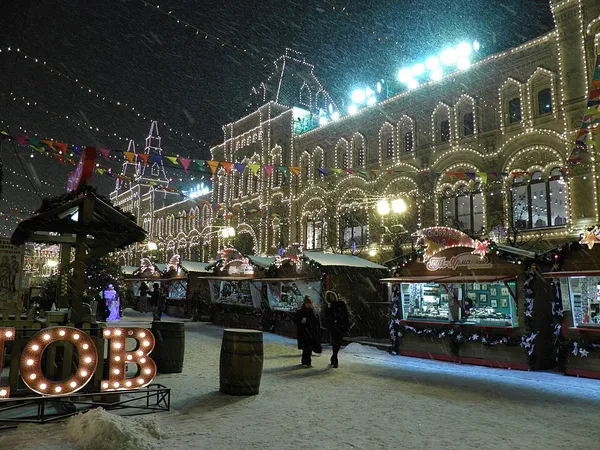
Christmas in Russia (Russian: Рождество Христово, Rozhdestvo Khristovo), called Е́же по пло́ти Рождество Господа Бога и Спа́са нашего Иисуса Христа (Yezhe po ploti Rozhdestvo Gospoda Boga i Spasa nashego Yisusa Khrista) in the Russian Orthodox Church, is a holiday commemorating the birth of Jesus Christ. It is celebrated on 25 December on the Julian calendar, which corresponds to 7 January on the Gregorian calendar (the calendar that is mostly used in Western society) until 2100, when it will move to January 8 in 2101. It is considered a high holiday by the church, one of the 12 Great Feasts, and one of only four of which are preceded by a period of fasting. Traditional Russian Christmas festivities start on Christmas Eve, which is celebrated on 6 January [O.S. 24 December]. Christmas was largely erased from the Russian calendar for much of the 20th century due to the Soviet Union's anti-religious policies, but many of its traditions survived, having been transplanted to New Year's Day. Although Christmas was re-established as a holiday in the 1990s after the collapse of the Soviet Union, it is still eclipsed by New Year's Day, which remains the most important Russian holiday.
Also on this shelf
Leeds City Museum.
Font-de-Gaume.
See also
Uncatalogued shelfText from Wikipedia; plate via Wikimedia Commons. Text CC BY-SA 4.0; plate freely licensed (see Commons). Source record. Images and catalogue data are reproduced from open-access collections.