Geology and Minerals
Allende meteorite
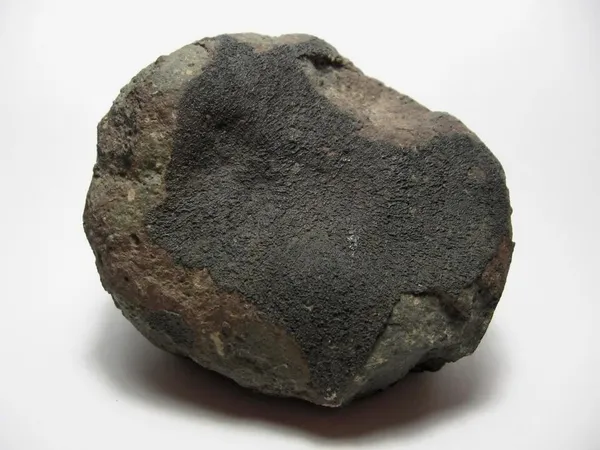
The Allende meteorite is the largest carbonaceous chondrite ever found on Earth. The fireball was witnessed at 01:05 on February 8, 1969, falling over the Mexican state of Chihuahua. After it broke up in the atmosphere, an extensive search for pieces was conducted and over 2 tonnes (2.2 tons) were recovered. The availability of large quantities of samples of the scientifically important carbonaceous chondrite class has enabled numerous investigations by many scientists; it is often described as "the best-studied meteorite in history." The Allende meteorite has abundant, large calcium–aluminium-rich inclusions (CAI), which are among the oldest objects formed in the Solar System. Carbonaceous chondrites compose about 4% of all meteorites observed to fall from space. Prior to 1969, the carbonaceous chondrite class was known from a small number of uncommon meteorites such as Orgueil, which fell in France in 1864. Meteorites similar to Allende were known, but many were small and poorly studied.
Also on this shelf
Argyre quadrangle.
Cross-bedding.
See also
Uncatalogued shelfText from Wikipedia; plate via Wikimedia Commons. Text CC BY-SA 4.0; plate freely licensed (see Commons). Source record. Images and catalogue data are reproduced from open-access collections.