Textiles and Dress
Great Male Renunciation
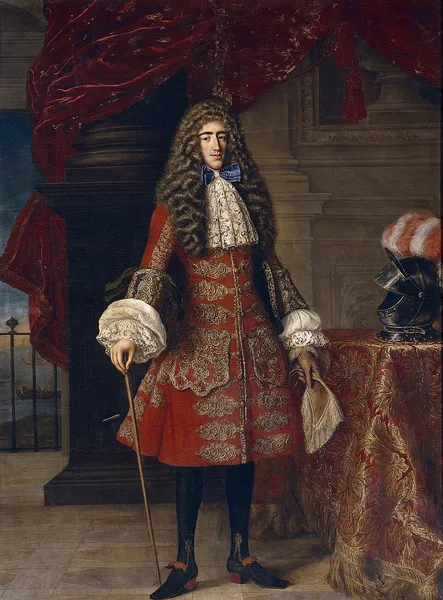
The Great Male Renunciation (French: Grande Renonciation masculine) is the historical phenomenon at the end of the 18th century in which wealthy men of the Western world ceased from using bright colours, elaborate shapes and variety in their dress, and reserved these aspects to women's clothing. Instead, men concentrated on differences of cut and the quality of the clothes' fabric. Coined by British psychologist John Flügel in 1930, it is considered a major turning point in the history of clothing where the male style stopped being as ornate and detailed. Flügel asserted that men "abandoned their claim to be considered beautiful" and "henceforth aimed at being only useful". The Great Renunciation encouraged the establishment of the suit's monopoly on male dress codes at the beginning of the 19th century.
Also on this shelf
Culture of Pakistan.
Achaemenid conquest of the Indus Valley.
See also
Uncatalogued shelfText from Wikipedia; plate via Wikimedia Commons. Text CC BY-SA 4.0; plate freely licensed (see Commons). Source record. Images and catalogue data are reproduced from open-access collections.